
Carbourduinen - Nature
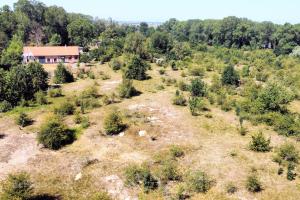
The Cabourduinen in Adinkerke, a district of De Panne, form a special and surprisingly peaceful nature area about 3.5 kilometres from the sea. These old inland dunes are among the oldest and best-preserved fossil dunes on the Flemish coast and are rare even within north-western Europe.
What can you expect at the Cabourduinen?
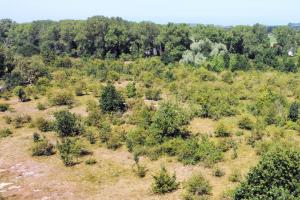
- Special nature on lime-poor dunes: Centuries of lime leaching from the dune sand have created a very distinctive plant life here. You will find sand sedge, lichens, mosses, dune grasslands, dune heath, scrub and small woods. Plants such as broom, gorse, shepherd’s cress, dune pansy and heath dog-violet also thrive here.
- Peaceful walking in a valuable nature area: Covering around 89 hectares, the Cabourduinen are a wonderful place for anyone wishing to leave the bustle of beach and seafront behind for a while. The dunes lie in the middle of the polder landscape and have a very different atmosphere from the young coastal dunes close to the sea.
- Animals and insects: Nature lovers may, with a little luck, discover some special species here. Typical dune inhabitants such as the blue-winged grasshopper and the slender groundhopper occur in this dry, sandy landscape. The area is also valuable for birds, butterflies and other small animals.
- Management with ponies: To prevent the area from becoming too overgrown, Shetland ponies are used, among other measures. They help maintain the open dune landscape, giving rare plants and animals enough space.
- Part of a larger nature area: The Cabourduinen form part of the Duinen en Bossen van De Panne nature reserve. Together with areas such as the Garzebekeveld, they create a special combination of fossil dunes, grasslands and natural zones.
Traces of wartime history
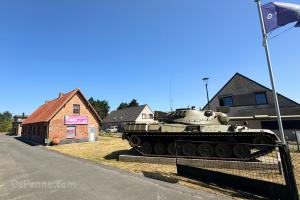
In addition to nature, the Cabourduinen and their surroundings also contain traces of the past. The area played a role during both world wars and still includes remains of military structures.
- Adinkerke Field Battery: On the southern side of the site lies the Veldbatterij Adinkerke, a well-preserved section of the Atlantic Wall. The site includes open gun emplacements, gun bunkers and a command bunker.
- Protected heritage: The field battery is protected as a monument and offers an impressive insight into the military history of this region.
A peaceful nature spot close to De Panne
The Cabourduinen are ideal for walkers, nature lovers and families who want to discover a lesser-known piece of nature. The area is quiet, open and varied, with old dunes, dune grasslands, small woods and historical remains. Precisely because the dunes are not directly by the sea, they have a character all of their own.
Those who visit the Cabourduinen discover one of the most remarkable dune landscapes on the Flemish coast. A place where nature, silence, water extraction and wartime history come together in a unique way.
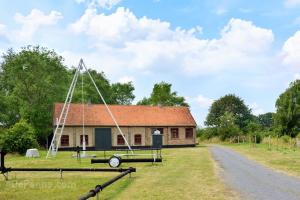
Furthermore Carbourduinen is near the following sights: Museum of Water Extraction (±400 m), Museum Cabour (±550 m), Riding school De Drie Vijvers (±1,1 km), Zwarten Hoek (±1,5 km) & Plopsaland (±2,3 km).
For information
Veldstraat, De Panne
 Display Carbourduinen